

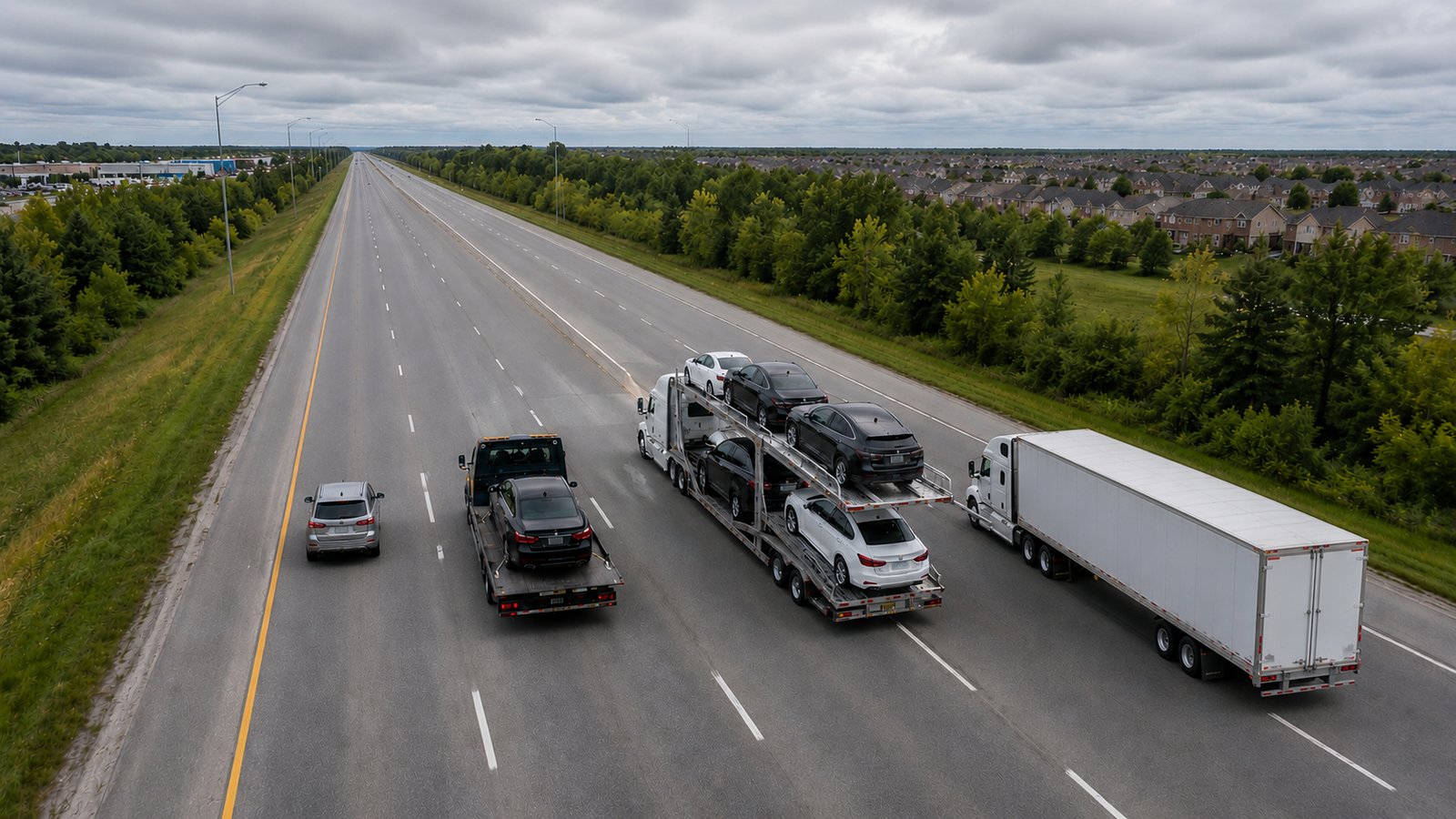
Most Canadian dealerships default to whichever carrier picks up the phone first. The transport type gets decided by the carrier, not by what the vehicle actually needs. That habit costs more than most dealers realize, whether it's in damage claims, delays, or money left on the table.
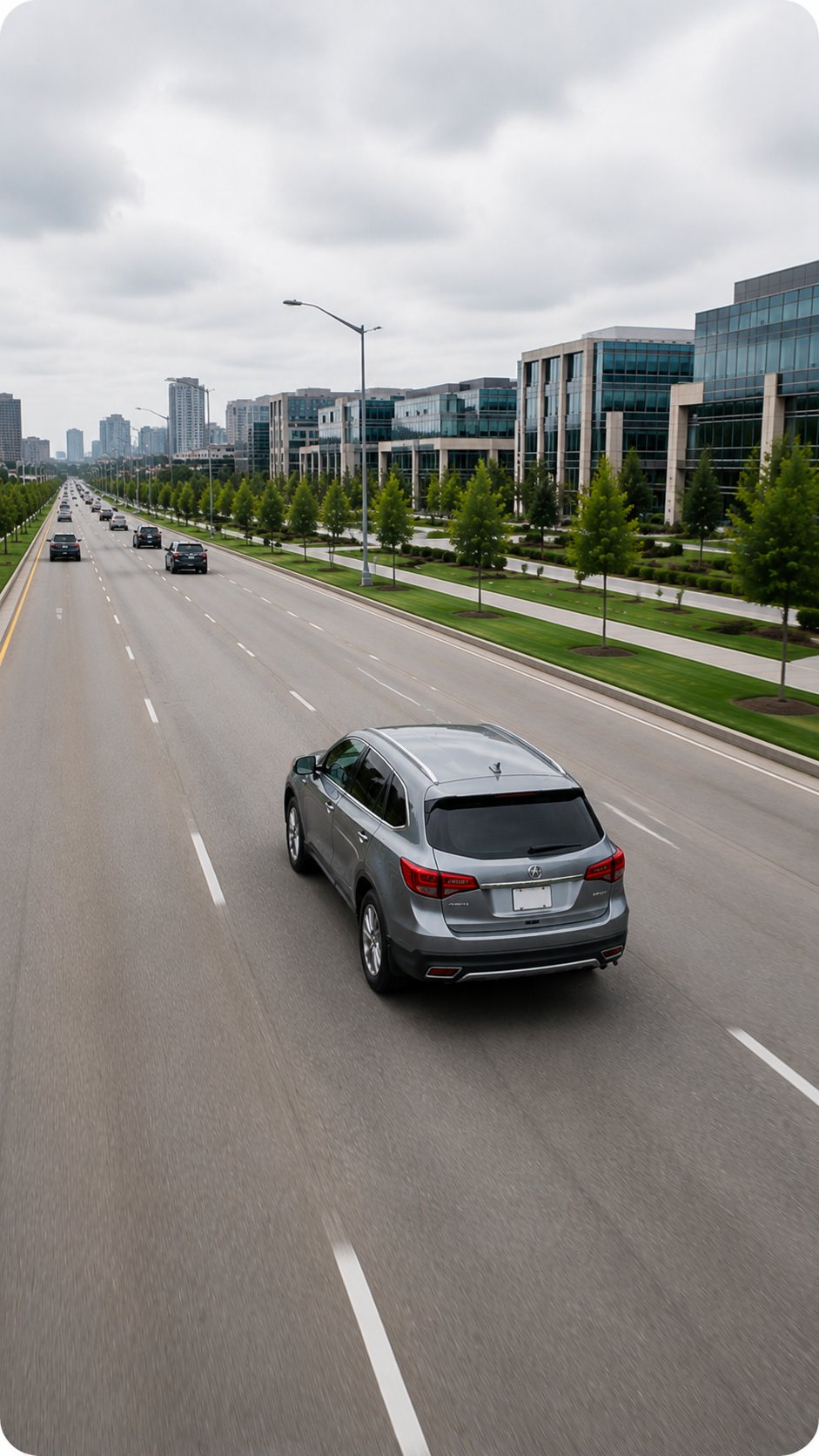
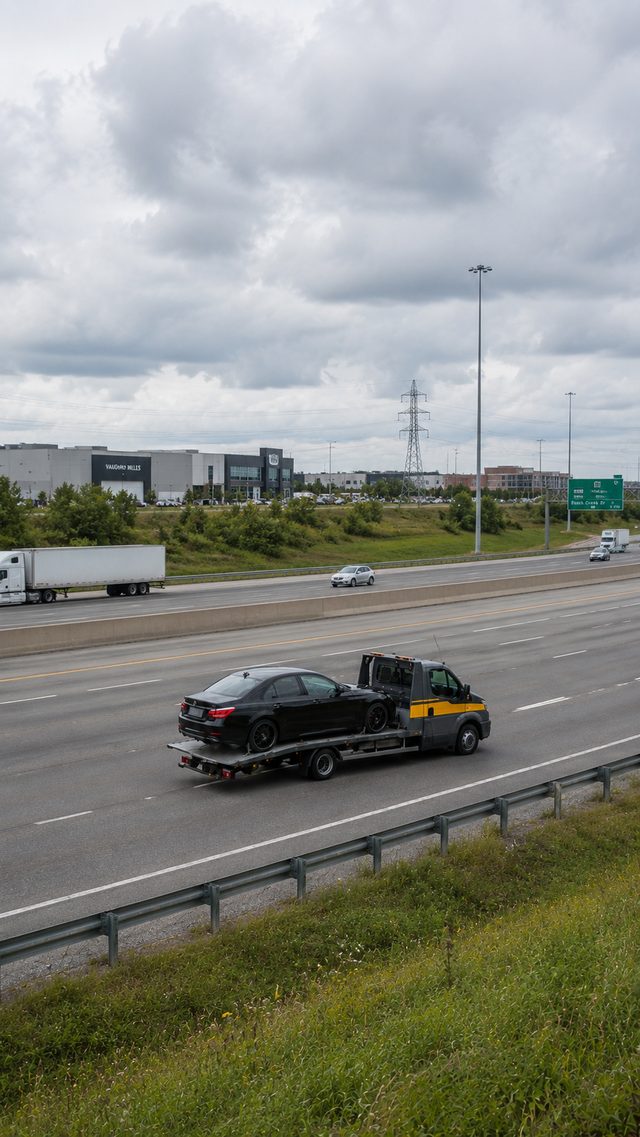
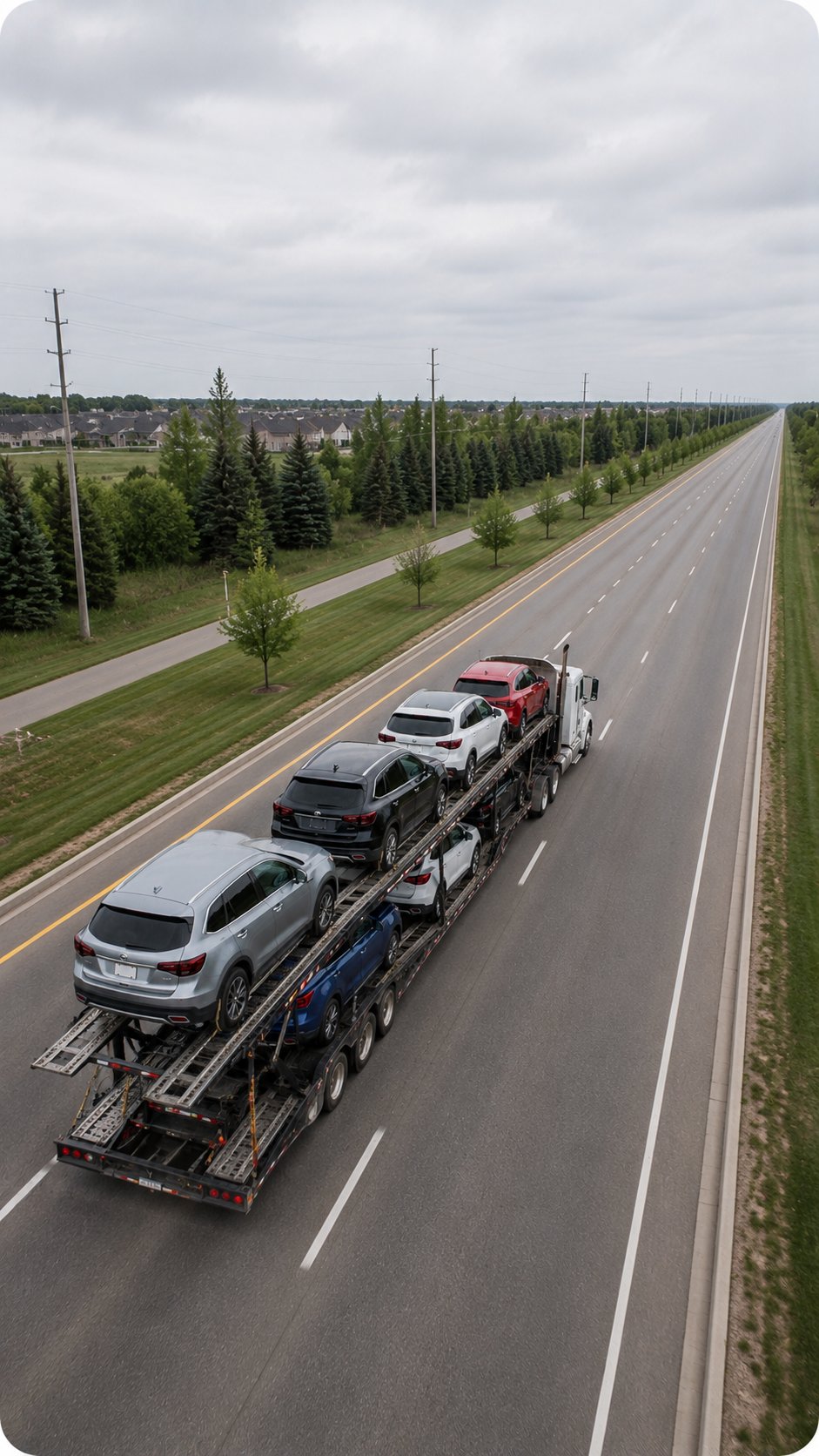
Each of the four transport methods available through LiftN'GO exists for a reason. The right one depends on the vehicle, the distance, the timeline, and what it's worth. Here's how to make the right call every time.
The Four Transport Methods, Explained
The Real Cost of Each Transport Method in Canada
Transport method choice has a direct impact on your cost per unit. According to 2026 Canadian vehicle shipping data, open transport - which covers both drive-away and haul-away - averages around $1,302 per unit across all routes and makes up roughly 85% of all vehicle moves in Canada. Enclosed transport typically runs ~$1,600–$2,200 per unit on typical routes, a premium that is well justified for the right vehicle but an unnecessary expense for standard inventory.
Non-running vehicles - which typically require flatbed - add a 20-25% premium over standard open transport rates due to specialist equipment and longer load times. That cost is unavoidable for the vehicle type, but booking through a platform that matches the right carrier automatically means you never overpay for flatbed on a vehicle that could have driven.
Many dealers assume enclosed transport is required for luxury vehicles like BMW, Mercedes, or Porsche. The data says otherwise. According to industry research on luxury vehicle shipping in Canada, automakers themselves ship brand new BMWs, Mercedes, and Audis worth $60,000-$150,000+ via open carriers from manufacturers to showrooms across North America. Less than 5% of vehicles shipped via open carrier experience any damage, and most incidents involve minor cosmetic issues. Enclosed transport is the right call for exotics, classics, and customer-facing deliveries where privacy matters - not for every luxury vehicle by default.
The Decision That Most Dealers Get Wrong
The most common and costly mistake Canadian dealerships make is using flatbed for vehicles that could drive. Flatbeds are generally more expensive than car haulers for long distance transport because they can only ship one or two vehicles at a time. Booking flatbed out of habit for a running vehicle that only needs a drive-away adds unnecessary cost and can delay pickup if flatbed capacity in your area is tight.
The second most common mistake is defaulting to drive-away for AWD vehicles. Flatbed transport keeps all four wheels stationary during transit, which is better for a vehicle's transmission - making it the right choice for all-wheel drive vehicles where drivetrain protection matters. A dealer who drive-aways an AWD vehicle over a long route and receives a transmission warranty claim later has paid far more than the flatbed premium would have cost.
"The biggest waste I see in dealership logistics isn't the transport cost itself - it's paying for the wrong type of transport for the vehicle. That's a mistake that compounds every month."
Why Getting This Right Matters More in 2026
Canadian dealers are moving more vehicles than ever before through digital channels - online sales, home delivery, and dealer-to-dealer trades have all increased the frequency and complexity of transport orders. At the same time, floor plan carrying costs rose approximately 39% per unit in Q2 2025, meaning every day a vehicle is delayed or damaged in transit is more expensive than it was two years ago.
Choosing the right transport method reduces damage claims, speeds up reconditioning, and gets inventory to retail-ready status faster. According to Igor Iounatanov, a 30-year Canadian automotive industry veteran and CEO of LiftN'GO, 8 in 10 dealership transport orders experience some form of delay in a given month. It is a pattern he witnessed firsthand over his years in the car industry, and one that LiftN'GO is built to prevent. The majority of those delays trace back to a carrier mismatch rather than a capacity problem.
LiftN'GO's platform automatically matches each order to the right carrier for the right vehicle type, removing the guesswork from dispatch entirely. Whether you need a same-day drive-away for a dealer trade in the GTA or an enclosed move for a Porsche delivery in Vancouver, the right match is handled without a phone call.
The deeper advantage is consolidation. Instead of juggling a dozen carrier relationships, chasing quotes by phone and email, and reconciling invoices that never quite line up, your team books every move - across every method and every province - in one place. That means one source of truth for pricing, one record of every order, and one point of accountability when a vehicle needs to move fast. Every carrier on the network is vetted, so you are never gambling on an unknown driver with high-value inventory, and live status updates mean you always know where a vehicle is and when it will arrive.
It also helps that LiftN'GO was built specifically for the way dealerships operate, not retrofitted from consumer car shipping. Dealer trades, auction pickups, OEM deliveries, and customer drop-offs are all handled in the same system - whether you are moving a single unit this week or coordinating two hundred across a dealer group. Underpinning all of it is a vast network of trusted carriers stretching from coast to coast: professional car haulers, flatbed operators, and fully insured enclosed specialists, every one of them licensed, bonded, and vetted before they ever touch your inventory. Because that network runs so deep, there is almost always the right truck for the right vehicle in the right region when you need it, so you are never stuck waiting on a single carrier's schedule or settling for whatever happens to be cheap. In a market where every day of delay and every avoidable damage claim chips away at already thin margins, getting transport right the first time is one of the simplest ways a dealership can protect both its inventory and its bottom line.
Frequently Asked Questions
Book the Right Transport for Every Vehicle - Without the Phone Calls.
LiftN'GO automatically matches your order to the right carrier and service type - drive-away, flatbed, haul-away, or enclosed - every time. Canada's only dedicated B2B vehicle logistics platform. Free to get started.